What Made AC Milan’s First Half in 2005 Look Unstoppable?
Few football moments have encapsulated the extremes of the game quite like the first half of the 2005 UEFA Champions League final between AC Milan and Liverpool. When the whistle blew for half-time at 3-0 in favour of Milan, the football world seemed to be witnessing one of the most dominant performances in a European final ever staged. Yet, the final scoreline of 3-3 (with Liverpool eventually winning on penalties) reminds us how unpredictable football is—no match is truly over at half-time. But focusing on that spell, what exactly made Milan’s dominance in the first half look so utterly unstoppable? This analysis dissects the tactical, psychological, and emotional factors that combined to put Liverpool under pressure in 2005, highlighting the midfield mastery of Andrea Pirlo and Kaká, and offering lessons on overconfidence and the mercurial nature of knockout football.
The Stage: Iconic Finals, Favourites, and the Weight of Expectation
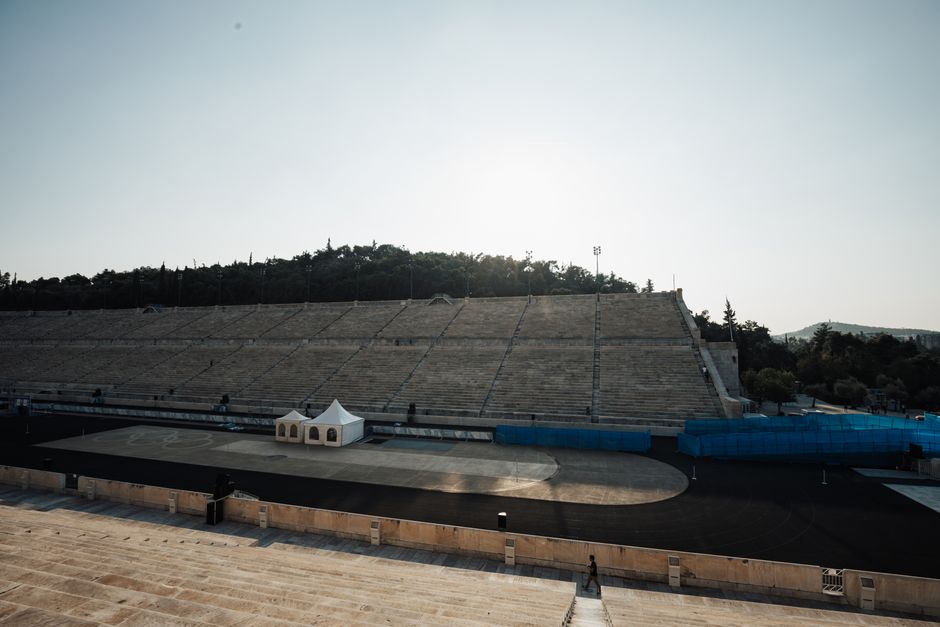
The 2005 final at Istanbul’s Atatürk Olympic Stadium was a classic European night battleground: Liverpool were https://enyenimp3indir.net/is-checking-multiple-sources-for-match-info-actually-useful/ seen as underdogs charged with heart and history, while Milan entered as clear favourites boasting a squad rich with experience and talent, including legendary figures like Paolo Maldini and Andriy Shevchenko.
- Pre-match expectations: Milan’s tactical discipline and quality meant pundits predicted a dominant performance.
- Psychological edge: Liverpool’s prior disappointments in finals amplified pressure to perform.
- Knockout intensity: The final’s high stakes tend to magnify emotions and moments of pressure.
In this context, an explosive start for Milan was not just tactical—it was a psychological assertion of authority, aiming to silence Liverpool before the underdogs could settle.

Midfield Control: The Dominance of Pirlo and Kaká
Any discussion of Milan’s first half dominance must begin from the fulcrum of their midfield, where Andrea Pirlo and Kaká orchestrated the game with near-perfect precision.
Andrea Pirlo: The Deep Lying Playmaker
Pirlo’s role was less about running at opponents and more about imposing calm, dictating tempo, and dissecting Liverpool’s shape with precise passing. His vision allowed Milan to:
- Maintain possession under pressure.
- Switch the play and exploit Liverpool’s defensive vulnerabilities.
- Control the emotional rhythm—dictating when to press and when to slow the game.
Kaká: The Creative Spark
In contrast to the composed Pirlo, Kaká provided bursts of unpredictability and directness:
- Dribbling through Liverpool’s midfield pushed their players deeper into defence.
- Injecting pace and technical skill to break lines and set up goal-scoring opportunities.
- His movement destabilised Liverpool’s pressing patterns forcing constant adjustments.
Between them, Pirlo and Kaká created a psychological one-two punch: structured control married with unpredictable creativity that left Liverpool chasing shadows.
Liverpool Under Pressure: Early Goals and Tactical Collapse
The pressure on Liverpool was intense from the outset, and Milan’s start ratcheted it up beyond manageable levels:
- Three goals inside the first 45 minutes (Maldini’s 1st minute strike, Crespo’s 39th and 44th minute goals) smashed Liverpool’s confidence.
- Each goal was a tactical blow, forcing Liverpool to stretch and take risks that Milan expertly punished.
- Momentum and psychological edge firmly in Milan’s hands, with Liverpool playing catch-up.
This created an atmosphere of near inevitability about Milan’s march to victory. Their pressing game, combined https://reliabless.com/whats-the-simplest-way-to-explain-expected-goals-to-a-casual-fan/ with near-complete midfield control, appeared to suffocate any Liverpool response before it could even be mounted.
Football’s Unpredictability: Why No Match Is Half-Time Over
Yet, on this very point lies one of the game’s great lessons: football remains inherently unpredictable despite the appearance of dominance. The 2005 final is a textbook example why calling a match “over” at half-time is dangerously reductive.
- Momentum can shift abruptly: Liverpool’s unbelievable recovery in the second half shattered the illusion of Milan’s unstoppable dominance.
- Overconfidence risks: Milan’s players, coaches, and fans were reported to be caught in a psychological trap of expectation, which sometimes leads to relaxation and factual loss of edge.
- Emotional resilience: Liverpool’s emotional grit and belief transformed the pressure into motivation rather than a crushing liability.
These elements combine to underline football’s essential drama: that every match is a story rewritable until the final whistle, no matter how bleak it looks.
Lessons from Milan’s First Half Masterclass
Reflecting on Milan’s first half in Istanbul, we can extract several enduring insights:
- Tactical mastery and midfield control can dominate matches: Pirlo and Kaká’s work remains a lesson in how a creative yet disciplined midfield trumps raw power or aggression.
- Goals early on magnify pressure: Scoring quickly placed Liverpool on the back foot emotionally and tactically.
- Complacency and overconfidence can erode advantage: Despite the dominant first 45 minutes, persistence and belief can change outcomes in football.
- The game’s narrative is fluid: One half’s “unstoppable” display can be overturned in the next, making football irresistible to fans and heartbreakingly brutal for favourites.
Conclusion: Milan’s First Half – A Theatre of Pressure and Precision
AC Milan’s first half in the 2005 Champions League final remains a compelling case study in how football combines tactical genius, emotional pressure, and the unyielding unpredictability of the knockout stage. Their midfield control, spearheaded by Pirlo’s calm orchestration and Kaká’s creative spark, was a lesson in how to unsettle even the most stubborn opposition.
Yet, the match also reminds us never to confuse a lead at half-time with assured victory. Liverpool’s eventual comeback ensured that football’s deepest truth was reaffirmed: no matter how unstoppable a team looks in one moment, the emotional tides of momentum and pressure can turn dramatically, rewriting even the most iconic narratives. When looking back, Milan’s first half was a masterclass in dominance—and a warning against overconfidence that continues to resonate.